South Devon Construction
Can You Live in Your House During a Renovation?
One of the first practical questions homeowners ask when planning a renovation is whether they will be able to remain in the property while the work is carried out.
Moving out can add a considerable expense to the project, particularly if the renovation will take several months. However, staying in the house is not always the easiest or most cost-effective option either.
The right decision will depend on the scale of the work, which areas of the house will be affected and how safely the project can be organised around everyday life.
How extensive is the renovation?
There is a significant difference between renovating one room and carrying out work throughout the entire property.
If the project is limited to a spare bedroom, one end of the house or a new extension that can initially be separated from the existing home, it may be perfectly possible to remain living there.
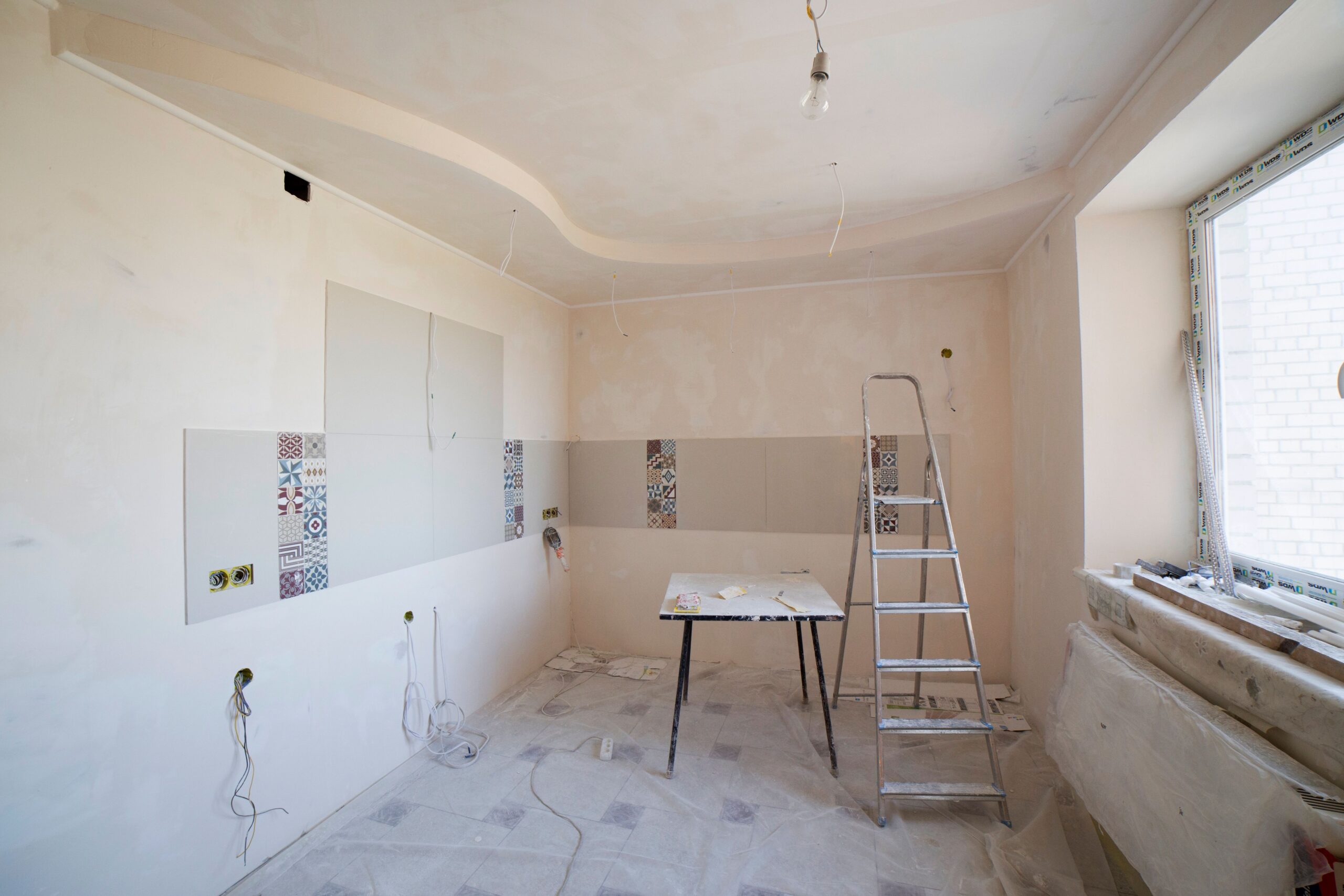
However, a whole-house renovation involving structural alterations, rewiring, plumbing, plastering and several different trades will create considerably more disruption. There may be periods when rooms cannot be accessed, essential services need to be disconnected or large parts of the property effectively become a building site.
Before making a decision, ask your contractor to explain how the work will progress through the house and which areas will remain usable at each stage.
Will you still have a working kitchen and bathroom?
Access to basic facilities is often the deciding factor.
Living without a finished kitchen may be manageable for a short time if you can create a temporary area with a kettle, microwave and small fridge. Living without a usable toilet or running water is much more difficult.
If the renovation affects the only bathroom, your contractor may be able to sequence the work so that essential facilities are unavailable for the shortest possible time. In some cases, temporary arrangements can be made, but these need to be discussed and planned before work begins.
It is also worth being realistic about how long you would be comfortable living with temporary facilities. What feels manageable for a few days can become exhausting over several weeks.
Expect more dust and noise than you think
Even with careful protection and regular cleaning, renovation work creates dust. Removing walls, cutting materials, chasing out plaster and lifting old flooring can all allow fine particles to travel beyond the immediate work area.
Construction dust is not simply an inconvenience. The Health and Safety Executive explains that some types of construction dust can present a genuine health risk, which is why contractors use appropriate controls and protective equipment.
Dust screens, sealed doorways and designated access routes can help separate the work from the occupied parts of the house. However, it is rarely possible to remove every trace of dust from a live renovation.
Noise is another important consideration. Drilling, cutting and demolition can make it difficult to work from home, take calls, sleep during the day or maintain a normal routine.
Ask when the noisiest stages are expected to take place. You may find that staying elsewhere for a few particularly disruptive days is enough, rather than moving out for the entire project.
Think carefully about children and pets
A renovation can be especially difficult to manage around young children and animals.
Tools, building materials, exposed surfaces and temporary openings all create risks that would not normally exist in the home. Deliveries and tradespeople moving through the property can also make it harder to keep external doors and gates secure.
If you plan to stay, there must be a clear physical separation between your living space and the active work area. Pets should also have a secure, quiet place away from noise, dust and frequently opened doors.
For some households, temporarily moving children or pets elsewhere during the most disruptive stages can make the project much easier to manage.
Will essential services need to be disconnected?
Major renovation work may require temporary interruptions to electricity, gas, heating or water.
Some interruptions may last only a few hours, while others can continue for longer depending on the work being completed. Rewiring, replacing a heating system or altering the plumbing throughout the house may make normal occupation impractical for part of the project.
Your contractor should identify these stages in advance and tell you when services are expected to be unavailable. This gives you time to make alternative arrangements rather than discovering on the day that you cannot cook, shower or work from home.
Can the work be completed in stages?
Careful sequencing can sometimes allow a household to remain in the property.
For example, one area may be completed before work begins elsewhere, or the team may maintain a protected route to the rooms you still need. If a new extension is being constructed, some of the external work may be completed before the opening into the existing house is formed.
However, phasing work around an occupied home can occasionally extend the programme. Trades may have more limited access, additional protection and cleaning may be needed, and certain tasks may need to be divided into smaller stages.
This does not mean staying is the wrong choice, but the effect on the schedule and cost should be understood from the beginning.
Could moving out actually save time or money?
Paying for temporary accommodation may initially seem like an unnecessary expense. However, giving the construction team clear access to the property can sometimes allow work to progress more efficiently.
Trades can move between areas more easily, services can be disconnected when needed and tasks can be completed without repeatedly making the property safe and usable at the end of each day.
This can be particularly valuable during demolition, structural alterations, full rewiring, extensive plumbing work or whole-house plastering.
The cost of moving out should therefore be considered alongside the potential effect of staying on the construction programme. Your contractor should be able to explain whether an empty property would make a meaningful difference to the duration or cost of your particular project.
You may not need to move out for the entire renovation
The decision does not always need to be all or nothing.
You may be able to live at home during quieter stages and stay elsewhere when major structural work or service interruptions take place. Some homeowners arrange a short stay with family, book temporary accommodation for a particularly disruptive period or time the work around a planned holiday.
Understanding the programme in advance makes these arrangements far easier. It can also prevent you from paying for accommodation during stages when the house would still have been perfectly usable.
Good planning makes the biggest difference
Whether you remain at home or move out, communication with your contractor is essential.
Before work begins, you should understand which rooms will be affected, how the working area will be separated, when water or electricity may be disconnected and how trades will enter and leave the property.
You should also agree how changes to the programme will be communicated. Building work can uncover unexpected issues, particularly in older properties, so it is useful to know who will update you and how much notice can reasonably be provided.
For domestic projects involving more than one contractor, the principal contractor has an important role in planning, managing and coordinating health and safety during the construction phase. More information about these responsibilities is available through the Health and Safety Executive’s guidance for domestic clients.
Our approach at South Devon Construction
At South Devon Construction, we understand that a renovation affects much more than the building itself. It also affects your routine, your family and how comfortably you can use your home.
Before work begins, we consider how the project can be organised around the household and explain which stages are likely to cause the most disruption. Where possible, we can plan the sequence of work to keep essential parts of the property accessible and minimise the time that services are unavailable.
Through our principal contractor service, we can provide one point of contact to coordinate trades, suppliers, schedules and site access throughout the project. This helps homeowners understand what is happening, what is coming next and when alternative arrangements may be needed.
There is no single answer to whether you should stay or move out during a renovation. The best decision is an informed one based on the actual work involved—not a guess made before the programme has been properly considered.
If you are planning a renovation in South Devon, please contact South Devon Construction to discuss your project.
We can explain what the work is likely to involve and help you decide whether remaining in the property is realistic.
Part of South Devon Construction Group
South Devon Construction | Quoin & Oak | The Hard Landscaping Co. | Steve’s Turfing